Electronic Waste Solutions in Andaman and Nicobar Islands
At BPR Info Tech, we aim to reduce and properly dispose of e-waste generated by constantly changing electronic devices. Unused and old electronics are thrown in the open, which can harm the environment. Most electronic equipment contains hazardous metallic contaminants such as lead, beryllium, etc. If there is no proper dismantling of e-waste and computer recycling in Andaman and Nicobar Islands, then such toxic heavy metals enter our bodies through air, food, water, etc. and cause health complications. Hence, there is a need for effective electronic waste programs to make our environment safe and clean.
With the rapid growth of electronics manufacturing, it is important to have a good e-waste management system that can help keep our environment clean. E-waste or electronic waste can have a significant impact on the environment due to the hazardous substances it contains.
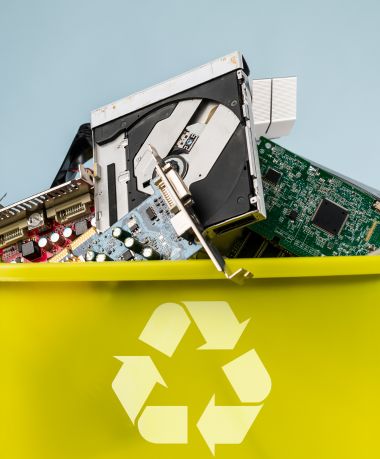
Here are five ways e-waste affects the environment.
- Toxic Chemical Leaching
Many electrical equipment includes hazardous materials such as lead, mercury, cadmium, and brominated flame retardants. Chemicals from e-waste can leak into soil and water if it is not recycled or disposed of properly, harming surrounding ecosystems and maybe even entering the food chain.
- Air Pollution
When e-waste is burned, usually to recover valuable metals, it releases particulate matter and toxic chemicals into the atmosphere. This may include dioxins, furans, and other toxic substances that endanger human health and contribute to air pollution. Good electronic waste solutions can help prevent this.
- Soil Contamination
E-waste disposed of in landfills can seep dangerous chemicals into the earth. These toxins can have an impact on plant growth, harm wildlife, and potentially reach groundwater supplies, posing greater environmental and health risks.
- Resource Depletion
E-waste is the loss of valuable things like gold, silver, copper, and rare earth elements. Inefficient recycling procedures result in ineffective resource recovery, increasing demand for virgin materials and contributing to further environmental damage caused by mining activities.
- Health Risks to Humans and Wildlife
Exposure to e-waste contaminants can have major health consequences for humans and animals. Workers in informal recycling industries and communities near e-waste dumps, for example, may develop respiratory problems, skin diseases, and other health problems as a result of harmful material exposure. Wildlife can be harmed by contaminated habitats and food supplies.
In order to reduce environmental footprints, improved recycling methods, stricter regulations, and greater public awareness should be adopted. If you choose E-Waste by BRP Electronic Waste Recycling Center in Andaman and Nicobar Islands, you choose a better life ahead for yourself and future generations.