Electronic Waste Disposal in Gujarat
E-waste management in Gujarat has emerged as a crucial ecological issue worldwide and specifically in nations, which is experiencing rapid development in the usage of technology and thereby is facing problems due to fast-growing electronic wastes. E-wastes are those discarded electronic devices, including computers, mobile phones, TVs, and other gadgets whose utility has been discontinued. Proper management and recycling of this kind of waste are absolutely essential if environmental and human health are to be safeguarded.
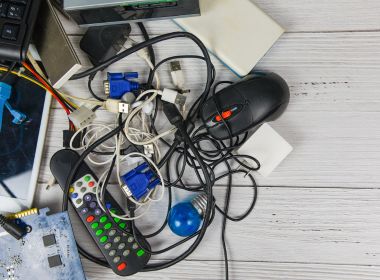
E-waste management has gained much attention in India due to the booming electronics market and, hence, rapid growth in electronic wastes. Management would involve the organized collection, transportation, and proper treatment of electronic waste so that it would not harm the environment upon disposal. In India, this becomes even more challenging since the informal sector is concerned with the handling of e-waste, with unsafe practices leading to environmental contamination and health hazards many a time.
What is emphasized herein is a complete regulatory framework that has been pursued with appropriate participation of the public and private sectors in efficiently managing electronic wastes. The government has been at the receiving end of a number of policies and regulations in handling e-waste. These rules make provisions for the collection, recycling, and proper disposal of electronic waste. In fact, such rules also extend to producers of electrical goods in ensuring proper management of e-waste.
Waste disposal is another key activity when it comes to e-waste management. Improper waste disposal leads to the release of toxic materials such as lead, mercury, and cadmium into the natural environment, hence causing land, water, and air pollution. Therefore, safe and environmentally sound methods of disposal have to be considered. In India, for instance, the government has accredited certain e-waste disposal sites, which are exclusively and specifically responsible for carrying out proper treatment and disposal of electronic waste. Such plants utilize advanced technology in safely segregating valuable materials from e-waste and ensuring that the hazardous components are disposed of according to environmental standards.
Computer recycling is a subcategory of the greater approach to e-waste management. Computers are among those electronic products that are replaced frequently due to rapid upgrades and technological changes. This implies that recycling computers recovers precious metals like gold and silver and plastics, reducing demand for raw materials and hence environmental impacts due to mining and manufacturing processes.
Recycling is therefore on the increase in India, considering the great involvement of companies and organizations in the collection, refurbishment, and recycling of old computers. These recycling efforts are part of sustainable electronic products, and some firms try to use a closed-loop production cycle where materials are kept in continuous use and recycled rather than recoverable materials becoming waste.
The environmental effect of electronic wastes needs to be minimized through the management and recycling of e-waste. Continuous efforts toward better electronic waste disposal in Gujarat, along with the promotion of the recycling of computers, are very important steps toward sustainable development and reduction of e-waste’s noxious effects on the environment and public health.