How to Manage Electronic Waste in Jharkhand
Electronic waste, or e-waste, encompasses discarded electronics and components, everything from cell phones to computers, refrigerators to televisions. With the rapid technological advancement, all these electronic goods have very short life spans. The volume of generated e-waste increased unprecedentedly. Electronic waste management in Jharkhand, has turned out to be a critical issue in view of an immediate need for effective. India is also listed as one of the largest e-waste-generating countries in the world, generating around 3.2 million metric tons of electronic waste annually. Poor electronic waste management is the reason that generates severe environmental and health risks. Toxic materials like lead, mercury, and brominated flame retardants present in most electronic gadgets have a potential chance of leaching into the soil and water environments, creating hazardous threats to life.
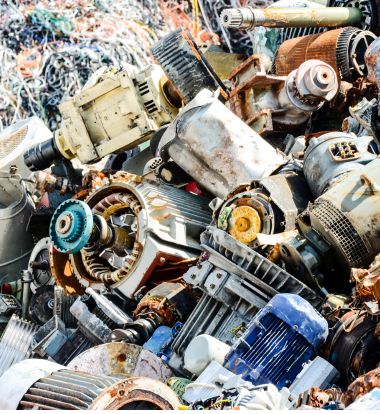
Hence, due to such growing concern, the role of e-waste management facilities such as computer recycling companies is important. These companies will professionally undertake safe and efficient disposal by disassembling electronic products, segregating hazardous materials, and recovering valuable resources like metals, plastics, and glass for reuse. In the process of doing so, they reduce not only the environmental impact of e-waste but also contribute to resource conservation.
Some computer recycling companies have come up in India that are befitting their mission of sustainability in e-waste management. This is quite a critical player in this ecosystem of e-waste management, thereby minimizing the lethal effect of bad disposal. Besides, they also spread awareness among consumers and businesses about responsible ways of disposing of e-waste.
There are a number of options available for individuals and organizations that wonder where to recycle their electronic waste, including a network of authorized e-waste collection centers and computer recycling companies. Several of the facilities are capable of collecting a wide range of electronic products, such as computers, mobile phones, and household appliances. It is of essence to make certain that the recycling facility is certified and follows environmentally sound practices.
Consumers should also take advantage of take-back programs whenever offered by a manufacturer or retailer of electronic items that would allow customers to return their old devices for recycling. Usually, in exchange, one is given a discount on some new products. These kinds of initiatives play an important role in fostering the circular economy and lessening the environmental footprint of electronic waste. Effective electronic waste management is no longer solely an environmental commitment but a binding economic and social one. As long as the demand for electronics continues to grow, so does the responsibility to manage the waste it generates.