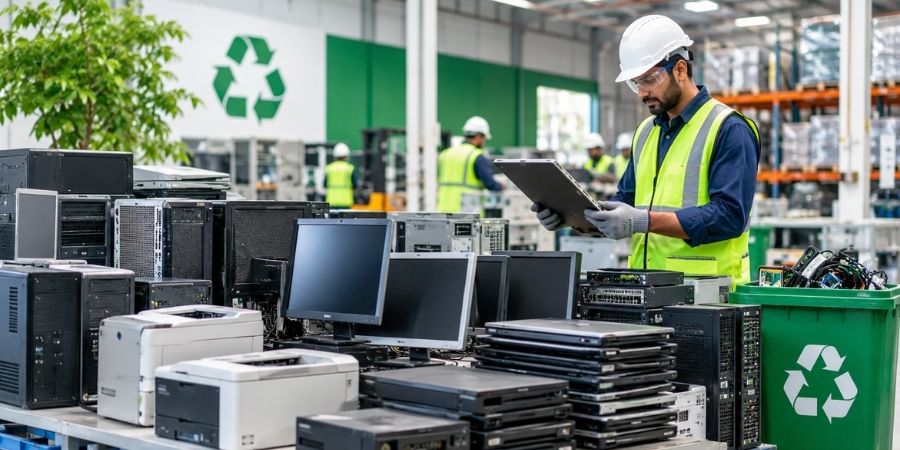
Electronic equipment plays an important role in almost every modern business. Offices depend on computers, laptops, printers, servers and networking devices to manage daily operations. However, as businesses upgrade their technology, old and unused electronic equipment starts accumulating.
Managing these discarded devices is not simply a matter of clearing office space. It requires an organised approach to collection, transportation, data security, reuse and recycling.
This is where professional e-waste collection becomes important.
In India, businesses are increasingly recognising the need for responsible electronic waste handling. Whether an organisation is replacing a few computers or disposing of large quantities of outdated IT equipment, choosing an appropriate collection and recycling process can make a significant difference. Businesses can explore professional e-waste management services to understand how electronic waste can be handled responsibly.
What Is E-Waste Collection?
E-waste collection is the process of gathering discarded electrical and electronic equipment from households, offices, commercial establishments, institutions and other sources for appropriate reuse, refurbishment or recycling.
It is an important first step in the overall e-waste management process.
Common electronic items collected through suitable e-waste channels include:
- Desktop computers and laptops
- Mobile phones and tablets
- Printers and photocopiers
- Servers and networking equipment
- Computer monitors and display devices
- Keyboards, cables and electronic accessories
- Other discarded electrical and electronic equipment
These products should be handled through appropriate collection and processing channels instead of being mixed with regular waste.
Why Is E-Waste Collection Important for Businesses?
Businesses regularly replace electronic equipment to improve performance, maintain security and support changing operational requirements. Without a planned disposal process, outdated devices can remain unused in offices and storage areas.
Here are some reasons why organisations should establish a proper e-waste collection process.
1. Responsible Electronic Waste Disposal
Discarded electronic devices contain different materials, including metals, plastics and electronic components. Some equipment may also contain substances that require specialised handling.
Organised collection helps ensure that discarded equipment is directed towards appropriate reuse and recycling channels.
2. Better Management of Old IT Equipment
Large organisations may generate considerable quantities of electronic waste during office relocation, technology upgrades and infrastructure replacement.
A planned collection process makes it easier to identify, segregate and manage these assets.
3. Protection of Sensitive Business Data
Old computers, laptops and servers may contain confidential information even after employees stop using them.
Before handing over data-bearing devices for disposal, businesses should arrange appropriate data sanitisation or physical destruction according to their security requirements. Organisations can learn more about secure data destruction services and the importance of protecting information stored on old IT equipment.
4. Recovery of Reusable Materials
Electronic equipment contains recoverable resources such as copper, aluminium, iron and certain other materials.
When collected equipment reaches appropriate recycling facilities, these materials may be recovered and used in further manufacturing processes.
5. Better Environmental Management
Responsible e-waste collection reduces the likelihood of electronic equipment entering unsuitable disposal channels.
It also supports reuse, refurbishment and material recovery, which are important parts of a circular economy.
How Does the E-Waste Collection Process Work?
The exact collection process depends on the quantity, type and condition of electronic equipment. A typical business collection arrangement can involve the following stages.
Step 1: Identification of Electronic Waste
The business identifies outdated, damaged or unused electronic equipment that needs to be removed.
An inventory may include the equipment type, quantity, location and condition.
Step 2: Categorisation and Segregation
Different electronic items are identified and segregated according to their categories and handling requirements.
For example, computers, printers, networking devices and other electronic equipment may require different processing arrangements.
Step 3: Data Security Assessment
Before collecting computers, servers and storage devices, organisations should identify equipment containing sensitive information.
Data sanitisation or physical destruction should be planned according to the organisation’s security policy and applicable requirements.
Step 4: Collection and Transportation
Electronic equipment is collected and transported through suitable arrangements to the designated processing or recycling facility.
Businesses should understand the collection partner’s handling process and maintain relevant records.
Step 5: Inspection and Processing
After collection, equipment can be inspected to determine whether it is suitable for reuse, refurbishment, dismantling or recycling.
Reusable equipment may be directed towards appropriate refurbishment processes, while other materials can enter suitable recycling channels.
Step 6: Documentation and Record Keeping
Businesses should maintain appropriate records of the equipment handed over, collection details and relevant processing documentation.
The documentation required depends on the organisation’s role and applicable regulatory requirements.
E-Waste Collection for Offices and Corporate Organisations
Corporate e-waste disposal requires a planned approach because businesses often handle multiple categories of electronic equipment.
Some common situations where organisations may need professional e-waste collection include:
Office technology upgrades: Companies replacing old desktops, laptops, monitors and printers.
Data centre decommissioning: Organisations retiring servers, storage devices and networking infrastructure.
Office relocation: Businesses clearing outdated electronic equipment before moving to another location.
Bulk IT asset disposal: Companies managing large quantities of end-of-life IT assets.
Institutional equipment replacement: Schools, colleges, hospitals and other institutions upgrading their electronic infrastructure.
For organisations handling significant quantities of IT equipment, an organised IT Asset Disposition (ITAD) strategy can help coordinate inventory management, data security, asset recovery and responsible disposal.
Explore BRP Infotech’s IT Asset Disposition services to learn more about responsible end-of-life IT asset management.
How to Choose an E-Waste Collection Company in India
Selecting an appropriate e-waste collection partner is an important decision, especially for organisations handling bulk electronic waste.
Before choosing a service provider, consider the following points.
1. Check Applicable Registration and Authorisation
Verify whether the organisation and the facilities involved have the registrations, consents or authorisations applicable to their specific activities under relevant environmental regulations.
2. Understand the Collection Process
Ask how electronic equipment will be identified, segregated, transported and processed after collection.
3. Ask About Data Security
If your equipment contains business information, confirm the available data sanitisation and physical destruction processes.
4. Review Documentation
Understand what collection acknowledgements, asset records and recycling-related documents will be provided.
5. Understand the Recycling Destination
Ask where the collected electronic waste will be sent and whether the downstream processing arrangements are appropriate.
A transparent process helps businesses make informed decisions about electronic waste disposal.
Understanding E-Waste Collection and EPR in India
India’s E-Waste (Management) Rules, 2022 came into effect on 1 April 2023. The framework establishes Extended Producer Responsibility (EPR) obligations for producers of covered electrical and electronic equipment and regulates relevant stakeholders, including manufacturers, refurbishers and recyclers.
Collection, however, should not be confused with the fulfilment of EPR obligations. Producers must meet their applicable responsibilities through the prescribed framework, including the use of registered recyclers for relevant recycling obligations.
Businesses and producers looking for information about these responsibilities can explore EPR services.
Businesses should check the latest amendments, notifications and requirements before making compliance decisions.
Useful official references:
- CPCB E-Waste EPR Portal: https://eprewaste.cpcb.gov.in/
- Ministry of Environment, Forest and Climate Change: https://moef.gov.in/rules-regulations-3
How BRP Infotech Supports E-Waste Management
BRP Infotech provides e-waste management and related services for organisations seeking responsible solutions for end-of-life electronic equipment.
Its service portfolio includes:
Organisations managing different types of electronic and battery waste can also explore battery waste disposal solutions to understand appropriate handling and disposal options.
Based in Hapur, Uttar Pradesh, BRP Infotech works in the electronic waste management sector, focusing on responsible handling, asset disposition and recycling-related solutions.
Businesses looking to understand its services can visit BRP Infotech’s official website.
Frequently Asked Questions About E-Waste Collection
1. What is e-waste collection?
E-waste collection is the process of gathering discarded electrical and electronic equipment from businesses, households and institutions for appropriate reuse, refurbishment or recycling.
2. Which electronic items can be collected as e-waste?
Common examples include computers, laptops, mobile phones, printers, servers, monitors, networking equipment and other covered electrical and electronic products.
3. How can businesses arrange bulk e-waste collection?
Businesses can begin by preparing an inventory of outdated electronic equipment, identifying data-bearing devices and contacting an appropriate e-waste management service provider to discuss collection and processing arrangements.
4. Why should companies avoid disposing of electronic waste with regular garbage?
Electronic equipment may contain materials that require specialised handling. Mixing it with general waste can create environmental and resource recovery concerns.
5. What is the difference between e-waste collection and e-waste recycling?
E-waste collection involves gathering discarded electronic products. Recycling is the subsequent process of dismantling and processing suitable materials to recover useful resources.
6. How should companies handle old computers before collection?
Companies should identify the devices, back up necessary information and arrange appropriate data sanitisation or physical destruction before transferring the equipment for reuse or recycling. They can also refer to secure data destruction solutions when planning the handling of data-bearing equipment.
7. How can I find an e-waste collection company near me?
Businesses should look for an appropriate service provider operating in their area and verify its applicable registrations, collection arrangements, processing facilities and documentation practices.
Conclusion
E-waste collection is an important starting point for responsible electronic waste management. For businesses, the process should involve more than simply removing outdated computers and electronic devices from the workplace.
Proper identification, secure data handling, suitable transportation, responsible processing and appropriate documentation all contribute to better electronic waste management.
By developing a planned approach to e-waste collection, organisations can manage outdated technology more responsibly while supporting reuse, refurbishment and material recovery.
BRP Infotech works towards supporting responsible e-waste management through its range of electronic waste, ITAD, battery waste and data destruction services.